Technical interview
Systems, performance, regulations and meteorology at the depth a training captain will probe.

Institute Based in Lucknow
Indian Pilot School prepares cadets the way airlines prepare crews, structured briefings, standard operating discipline and instructors who still fly the line.
Phase 1 · CPL ground classes
Every DGCA paper for the Commercial Pilot Licence, taught by subject specialists and line captains. Concepts first, then numericals, then timed mock tests on the same computer-based format you will face at the exam centre.
Covers the principles and techniques used to determine an aircraft's position, plan routes, calculate flight parameters and navigate safely from departure to destination.
Deals with atmospheric conditions and weather phenomena affecting aircraft operations, flight safety and performance.
Covers national and international aviation laws, rules and regulations governing aircraft operations, licensing and air safety.
Provides fundamental knowledge of aircraft systems, engines, aerodynamics and the technical principles required for safe aircraft operation.
Focuses on the technical knowledge of a particular aircraft type, including its systems, operating limitations, performance and normal and emergency procedures.
Radio Telephony (Restricted) covers the knowledge and practical skills required to communicate effectively with Air Traffic Control (ATC) using standard aviation phraseology and radio communication procedures.
Phase 02 · Flying Training
Begin your journey towards becoming a Commercial Pilot through comprehensive flight training at a DGCA-approved Flying Training Organisation (FTO). The training programme includes a minimum of 200 hours of flight experience as prescribed for CPL licensing in India, combining practical flying, theoretical knowledge and essential aviation skills.
Medicals · Exams · FRTOL · ELP · Check Rides
Phase 3 · Type rating
Type rating preparation aligned to DGCA requirements — ground school, systems, flows and simulator profiles — so you walk into the full flight simulator already knowing the aircraft.
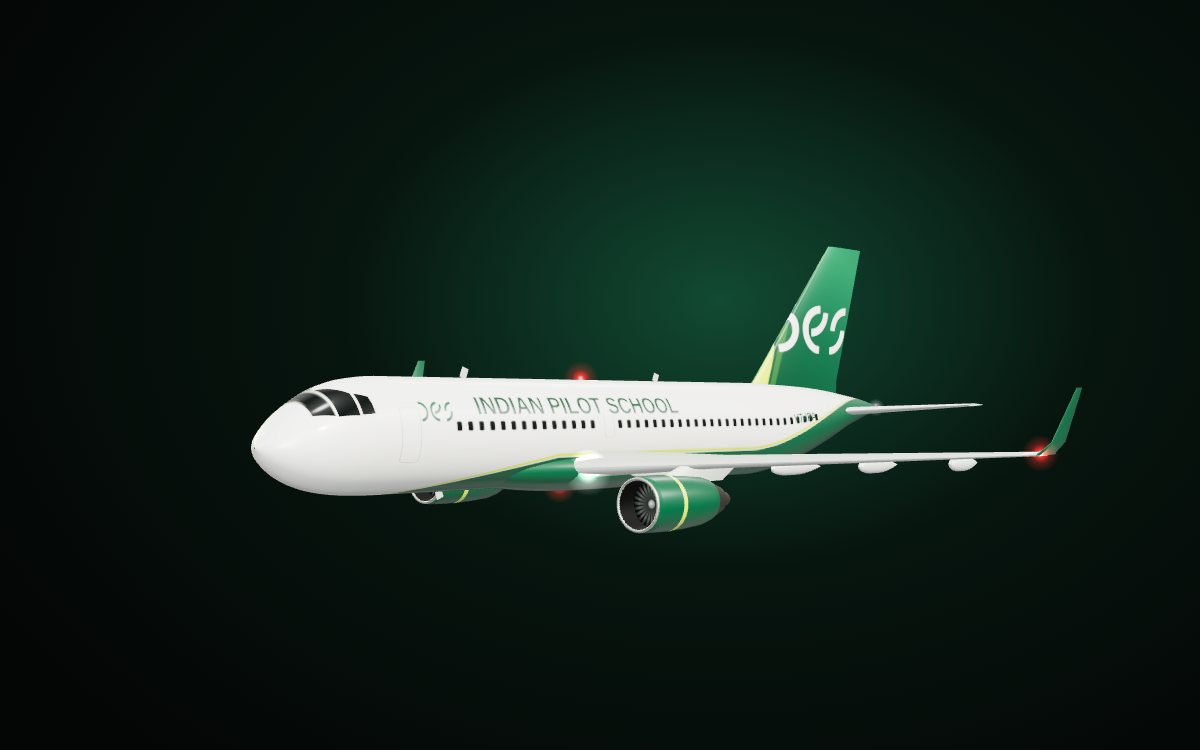
Sidestick, flight-control laws, ECAM and FMGS - the most widely flown fleet in Indian skies.
Learn more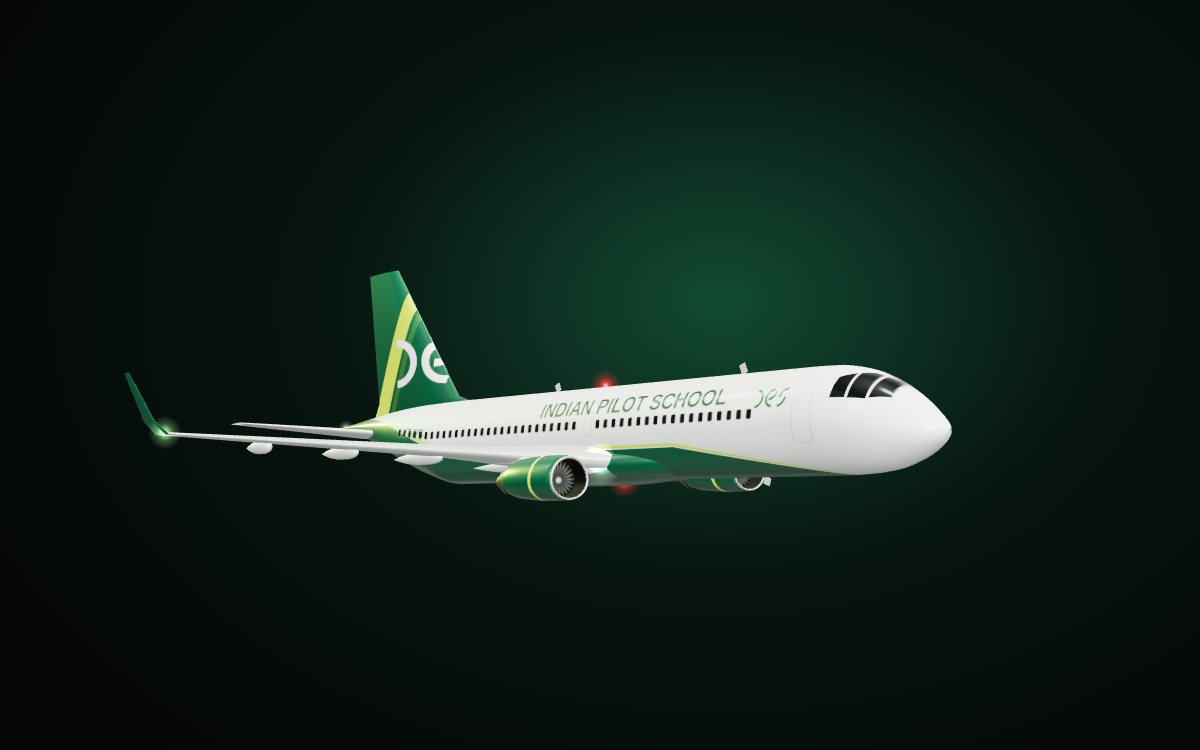
Yoke, MCP and the CDU. Hydraulic systems A and B, and a flight deck built around pilot authority.
Learn more
Regional operations, short sectors, high cycles. Propeller handling, icing and hotel-mode procedures.
Learn morePhase 4 · Airline preparation
Airline assessments test more than knowledge. We prepare every stage the way assessors run it.
Systems, performance, regulations and meteorology at the depth a training captain will probe.
Raw-data flying, engine failure after V1, non-precision approaches and go-arounds on A320 and B737 profiles.
Mental arithmetic, spatial orientation, multitasking and personality assessments — practised under time.
Structured CRM scenarios and the HR panel. How you think out loud matters as much as what you know.
TEM, situational awareness and decision making — the language every airline assesses in.
Logbook audit, licence and medical currency, grooming and the professional presence of a first officer.
Faculty
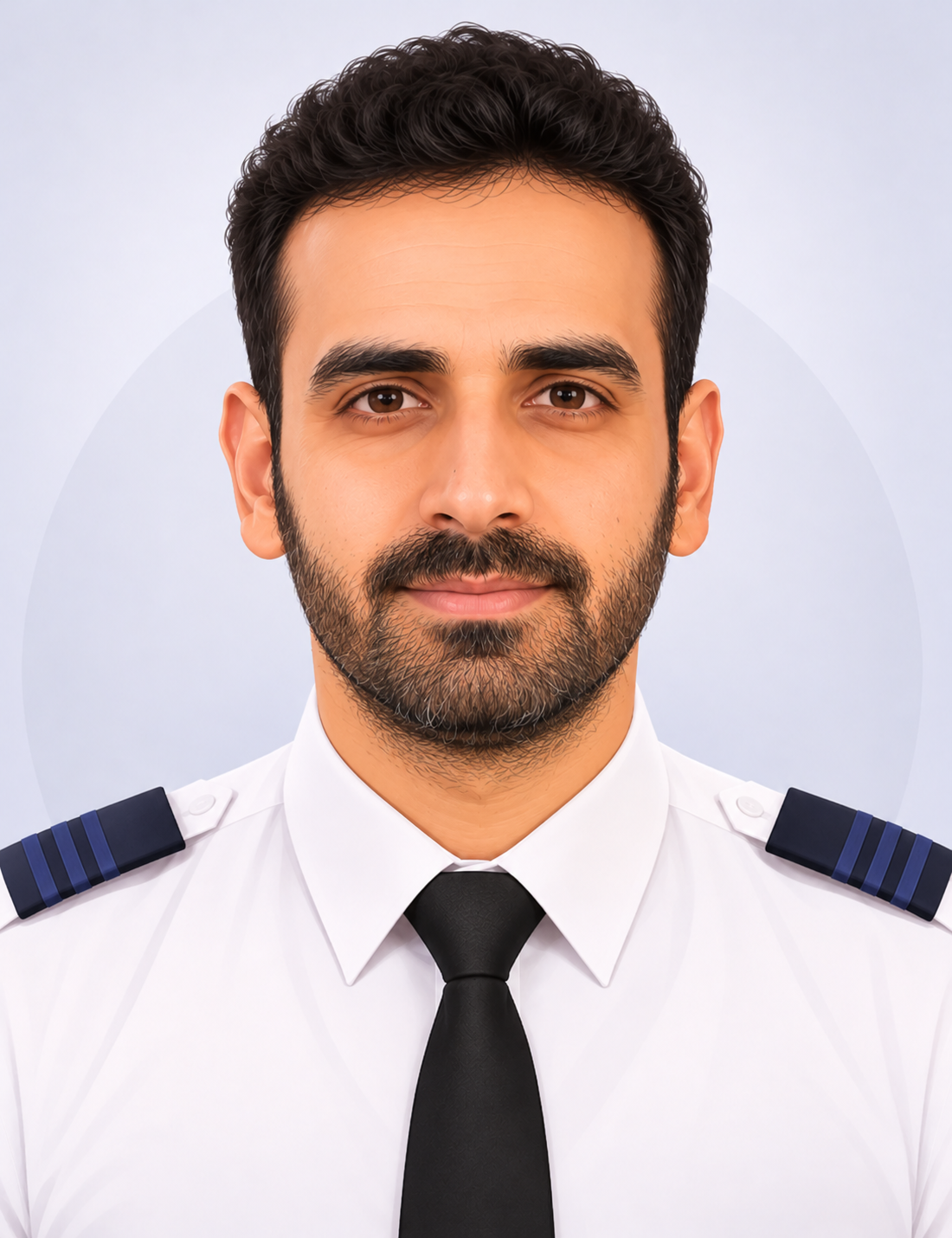
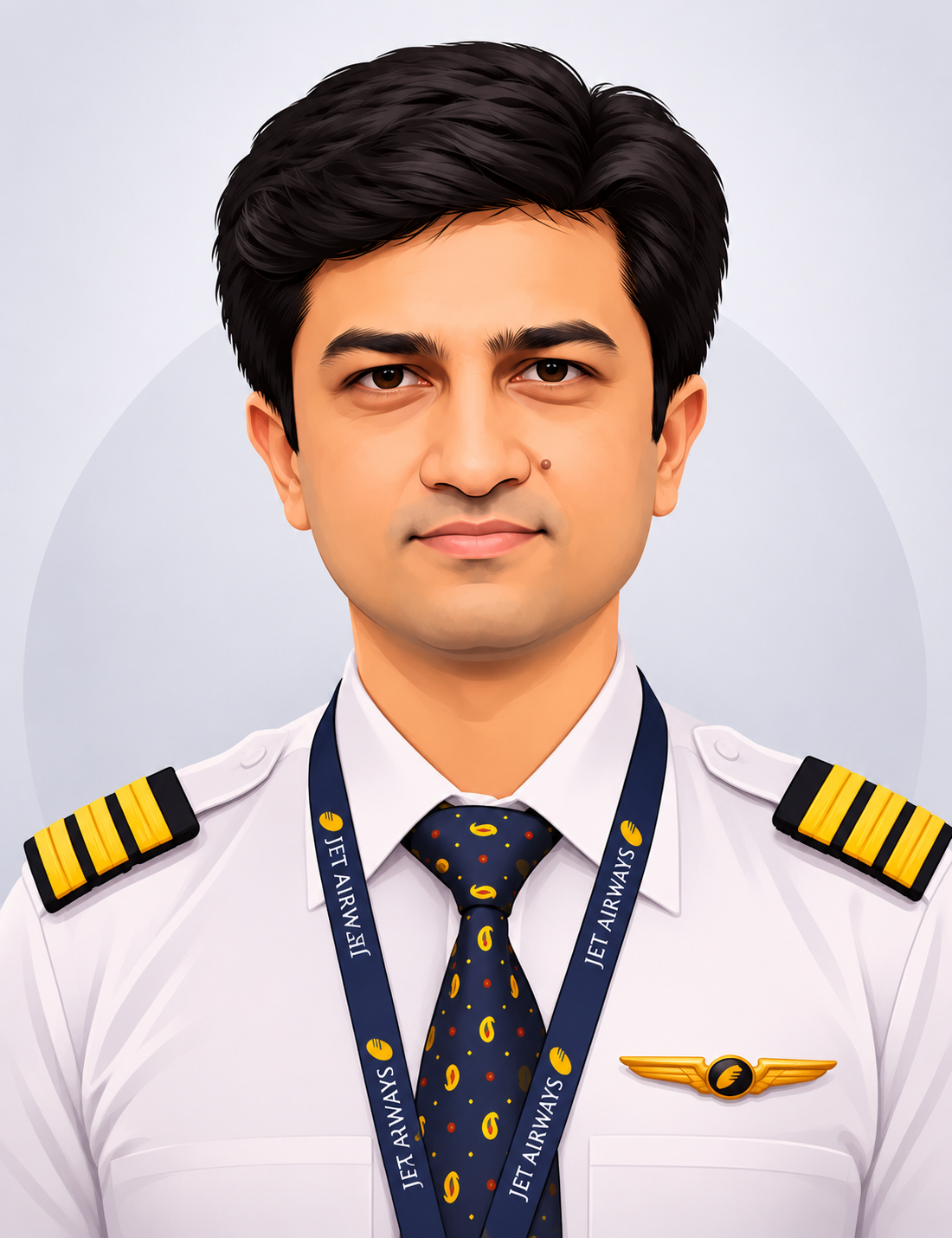
Founded and taught by airline captains. The people who brief you here have commanded the aircraft you are training for.
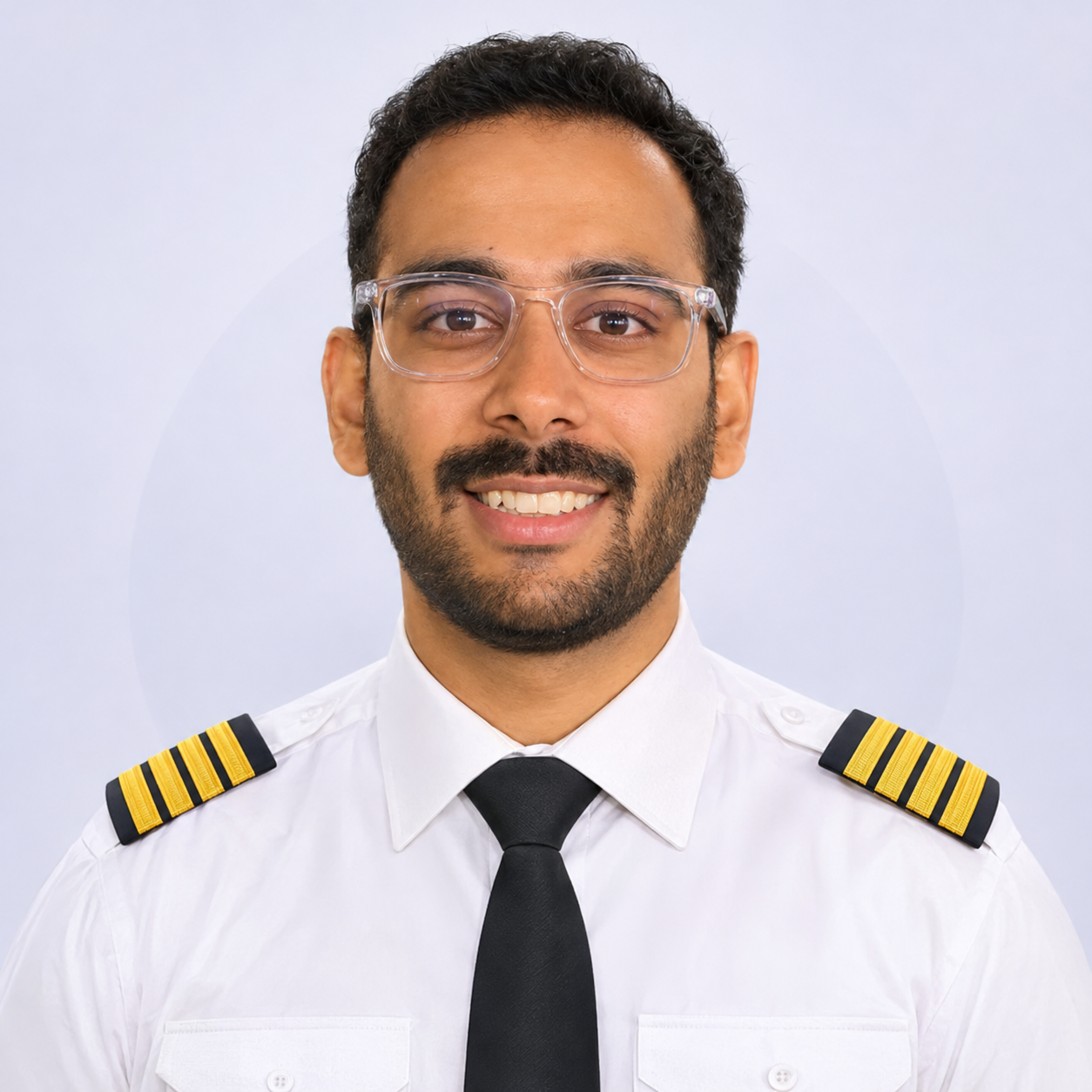 Founder
 & Chief Instructor
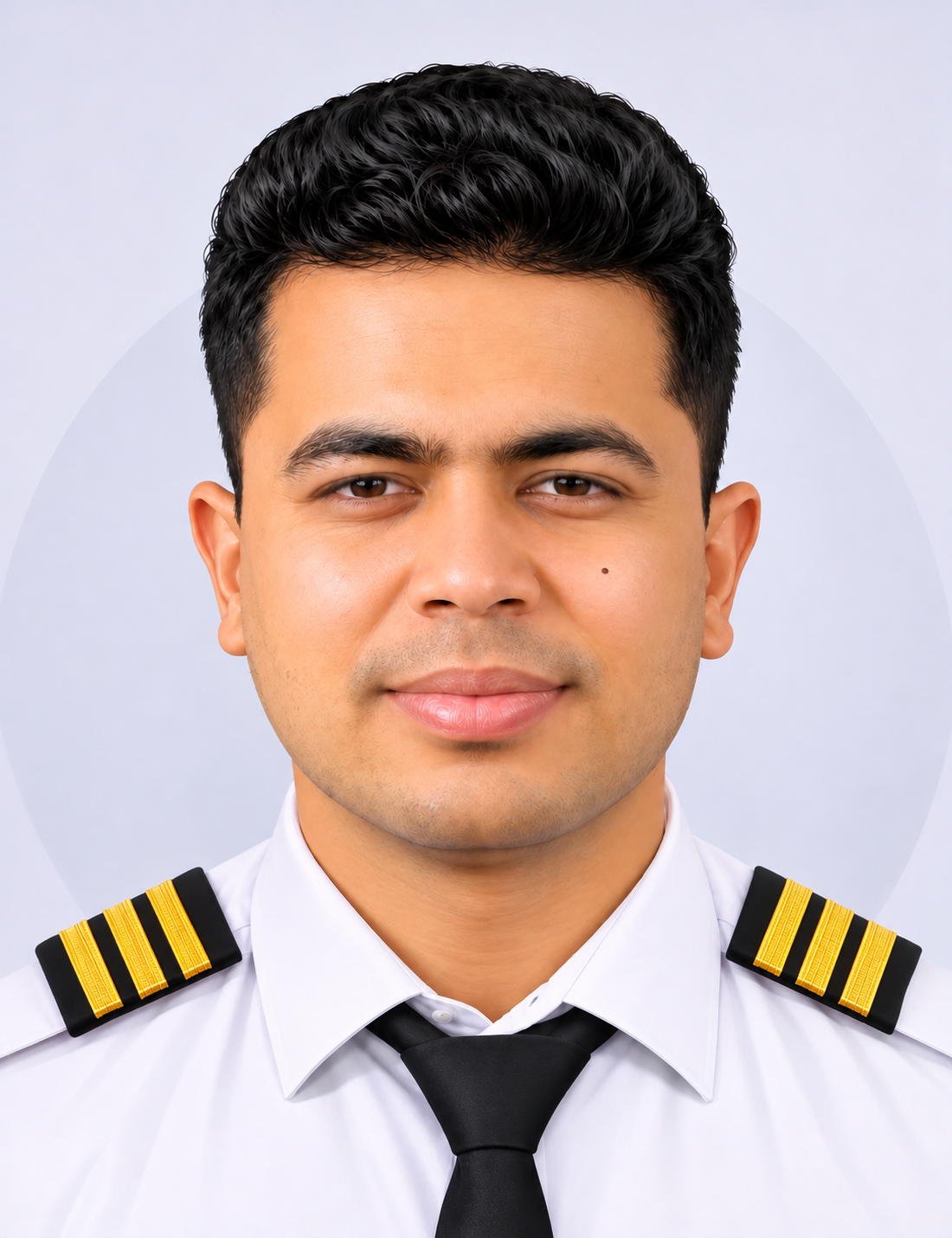
Instructor
Instructor
Instructor
Before you call us
Yes. You need 10+2 with Physics and Mathematics (or equivalent through NIOS). DGCA theory papers can be attempted before you begin flying, and many cadets clear them first so flying training is uninterrupted.
Not for ground classes. But we strongly advise completing your Class 2 medical first and the Class 1 before you commit to flying training — it is the one thing no amount of study can fix later.
Both. Every batch runs with classroom and live-online seats, recorded revision sessions and timed computer-based mock tests that mirror the DGCA exam interface.
Airline captains and instructors with current or recent line experience on the A320, B737 and ATR 72. You will be taught by the people who sit on the other side of the interview table.
No — and you should be cautious of anyone who does. What we guarantee is preparation: the knowledge, the sim profile and the interview discipline that airlines select for.
Cleared for take-off
Twenty minutes with a captain. An honest assessment of where you stand, what it costs and how long it takes.